grinder : dose yield. fines
( from instagram post 2024.12.7 )
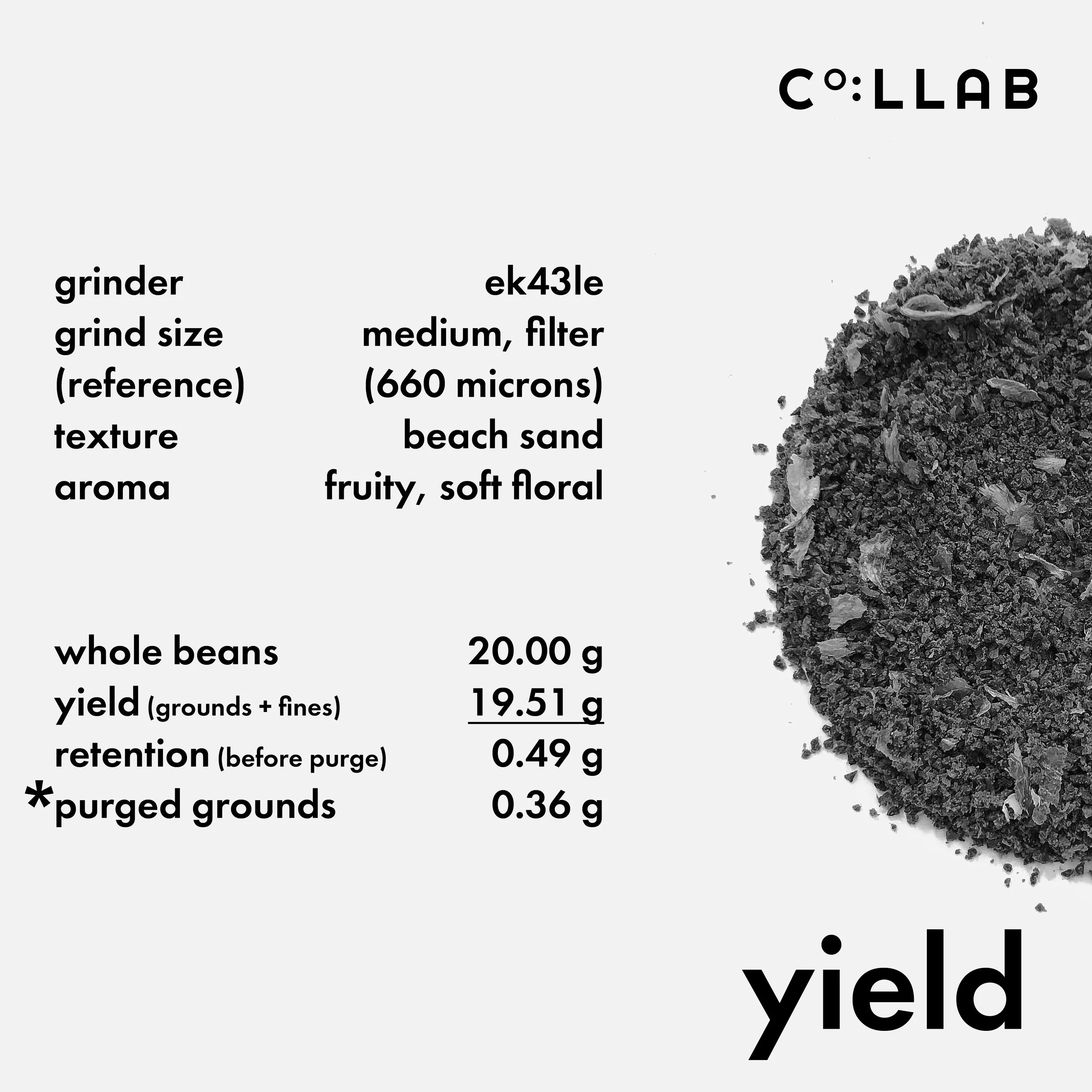
I did a simple experiment to examine coffee retention that was purged from ek43. It stems from my "low-cost tips to reduce coffee fines" post on 2024.6.25.
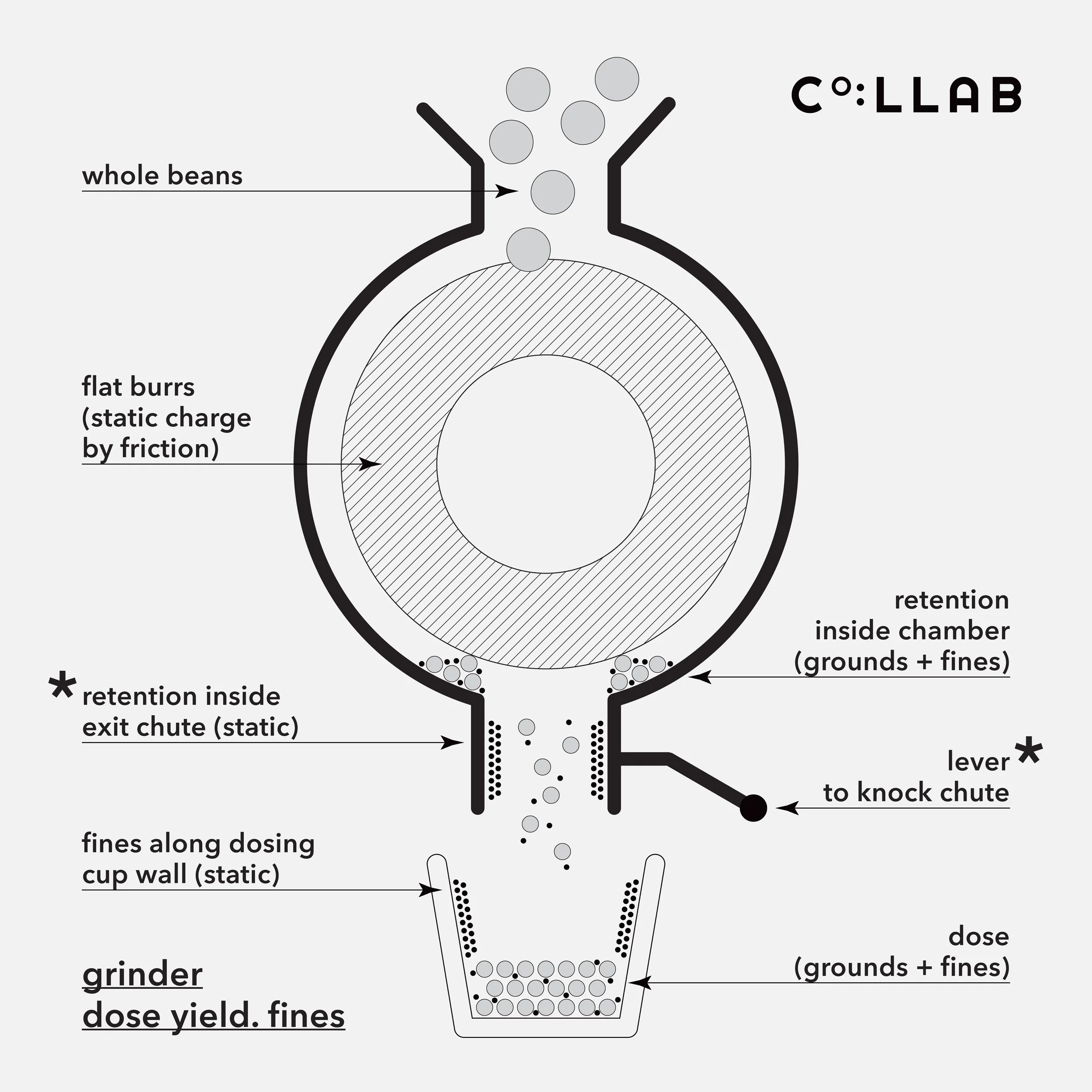
Whenever we grind a dose, there is coffee retained in the grinder. Some accumulates inside the chamber, and some lighter particles are adhered to the exit chute. While different grinder designs may vary, the higher the retention the lower your dose yield. Therefore, "low retention" is preferred by many especially specialty cafes. Imagine a cafe serving 50 cups per day and each cup representing 0.5 grams retention, it results in 25 grams of coffee not contributing to revenue every single day. Low retention also means easier grinder maintenance to them.
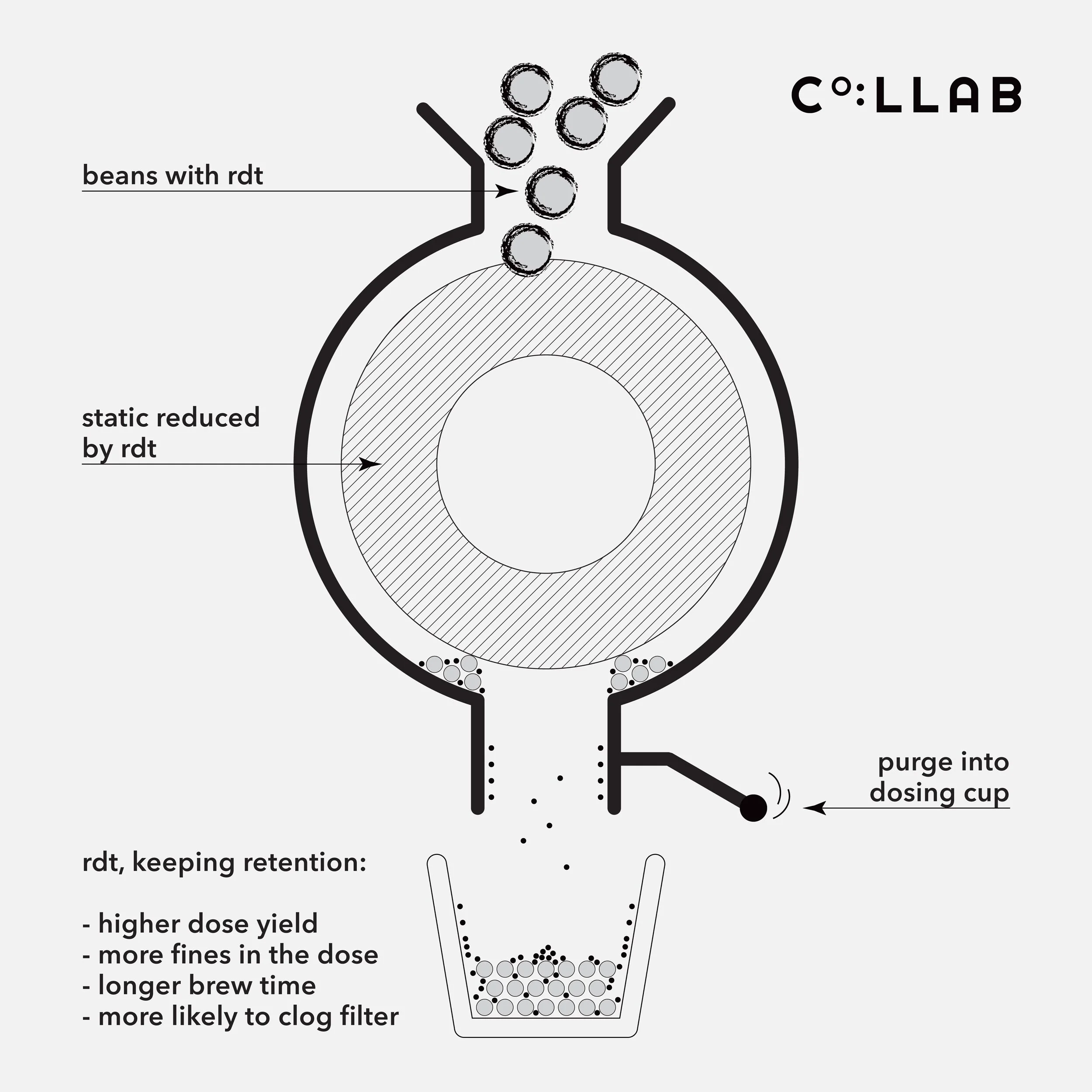
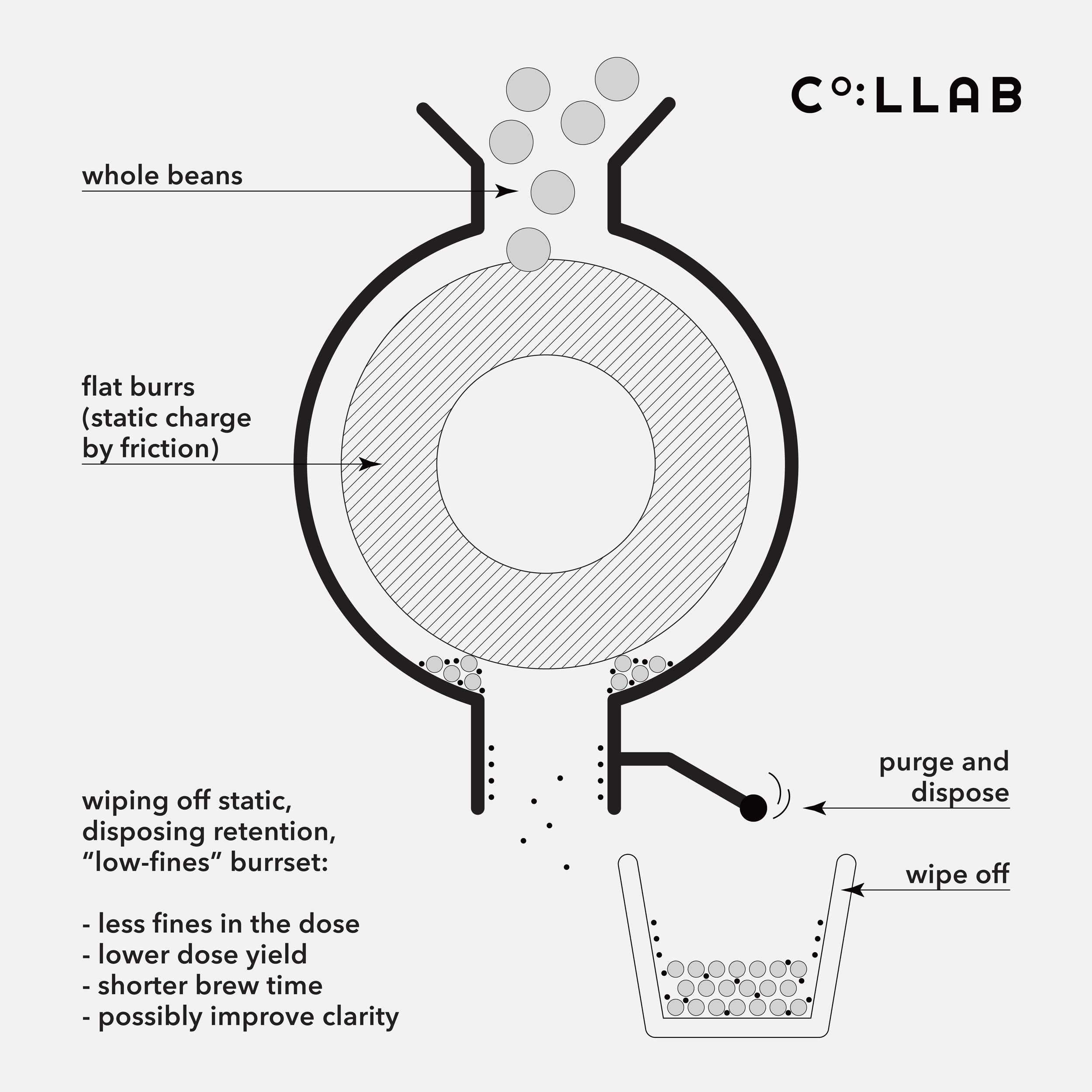
Investing in a low-retention grinder and adopting Ross Droplet Technique (rdt) are popular solutions. Rdt works by discharging static electricity during grinding. Less static cling means higher dose yield. Besides, some grinders are equipped with knocking levers or similar mechanisms to purge retention.
Then here comes a dilemma: if retention is mostly the coffee fines (because lighter particles get attracted more easily), do you want to make up the dose yield with it? While fines may be less detrimental to espresso, they tend to clog filters and give unpleasant notes in pour overs. What would you choose?
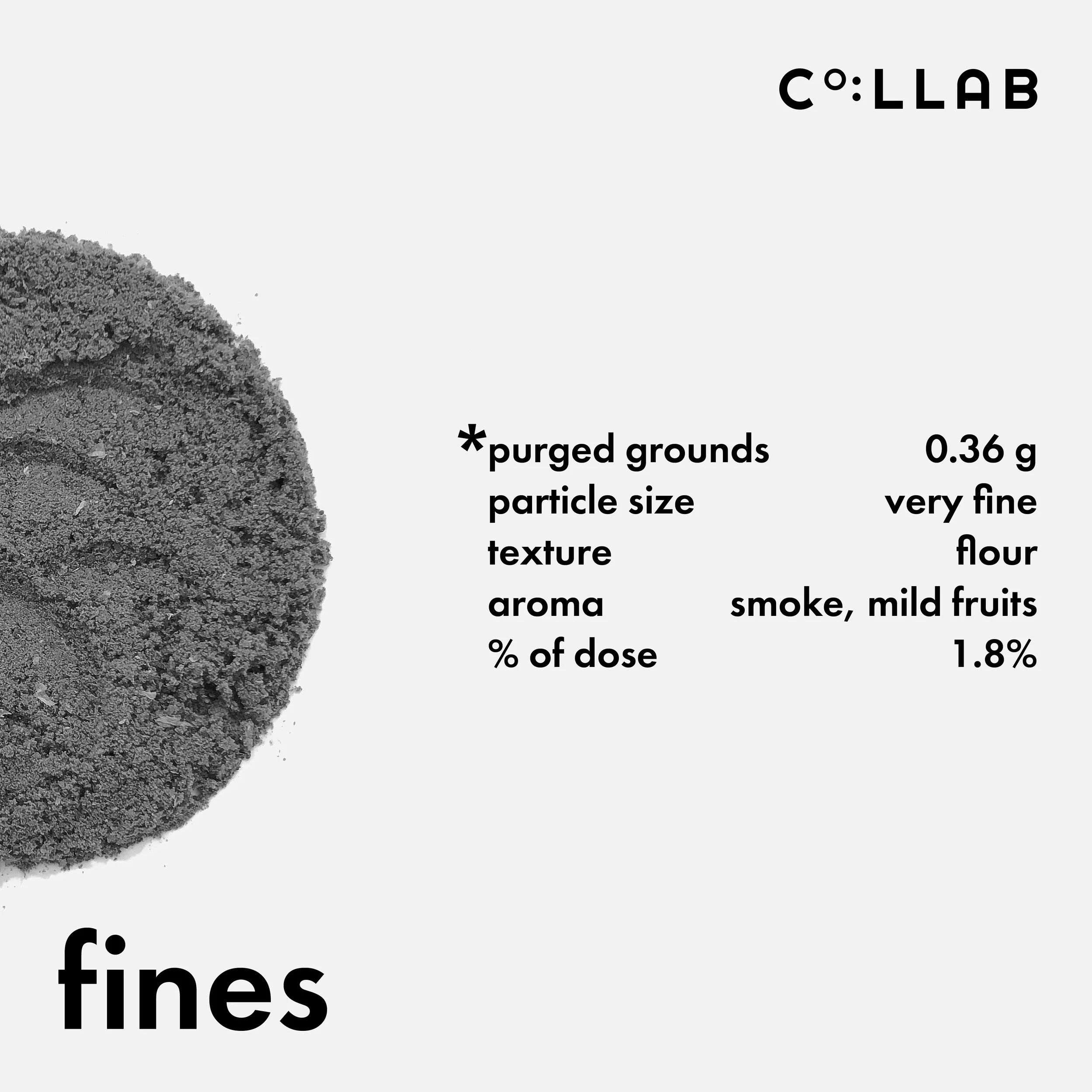
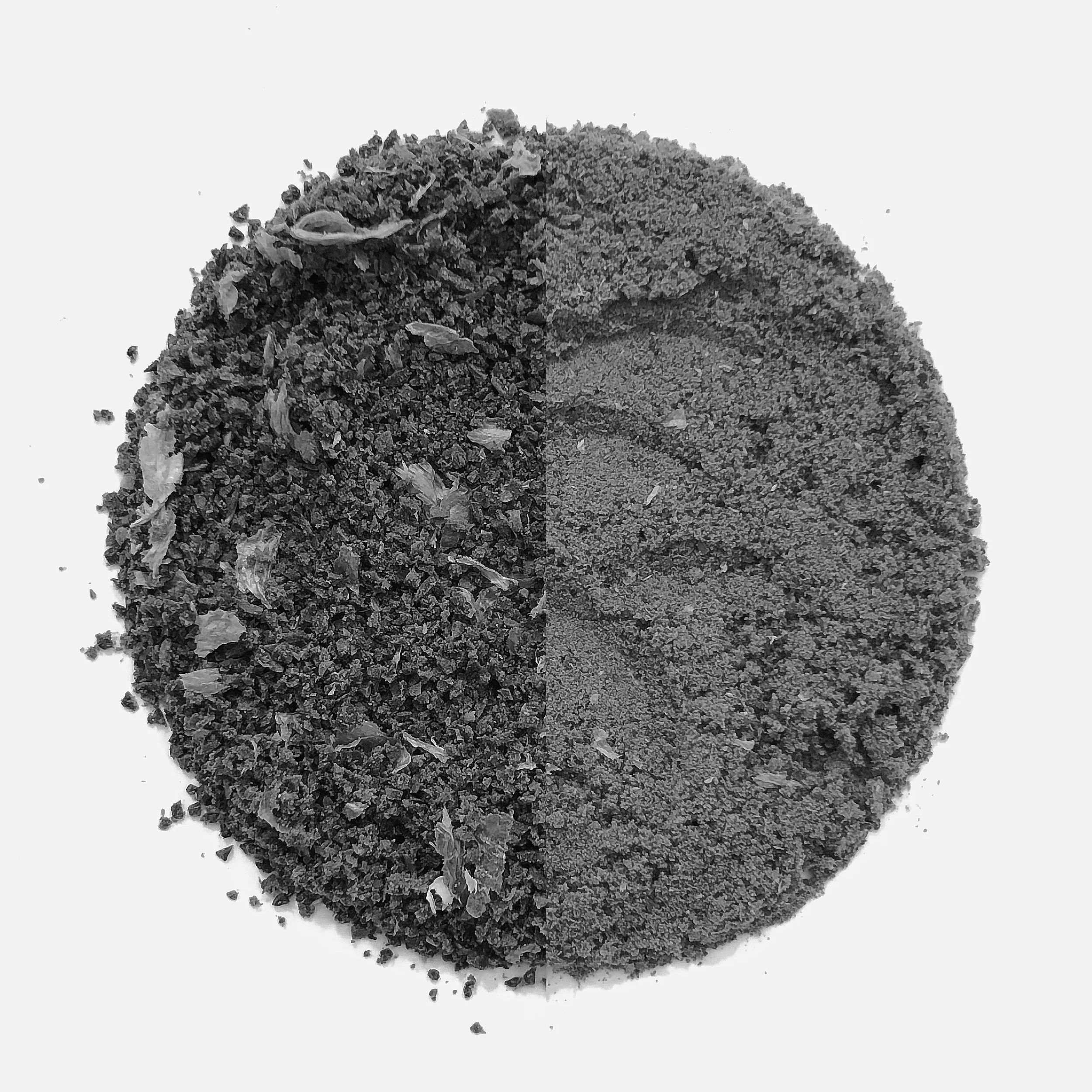
Images 1 to 3 show how coffee is retained in ek43, and how different grinding practices can change the dose quality. Images 4 to 6 are summary of the experiment, how purged particles look and smell differently from coffee grounds. Retention has made up 1.8% of the dose, and I believe the decision between “yield and fines” is worth to be considered.
Feel free to share your thoughts on grinding practices !