filter paper
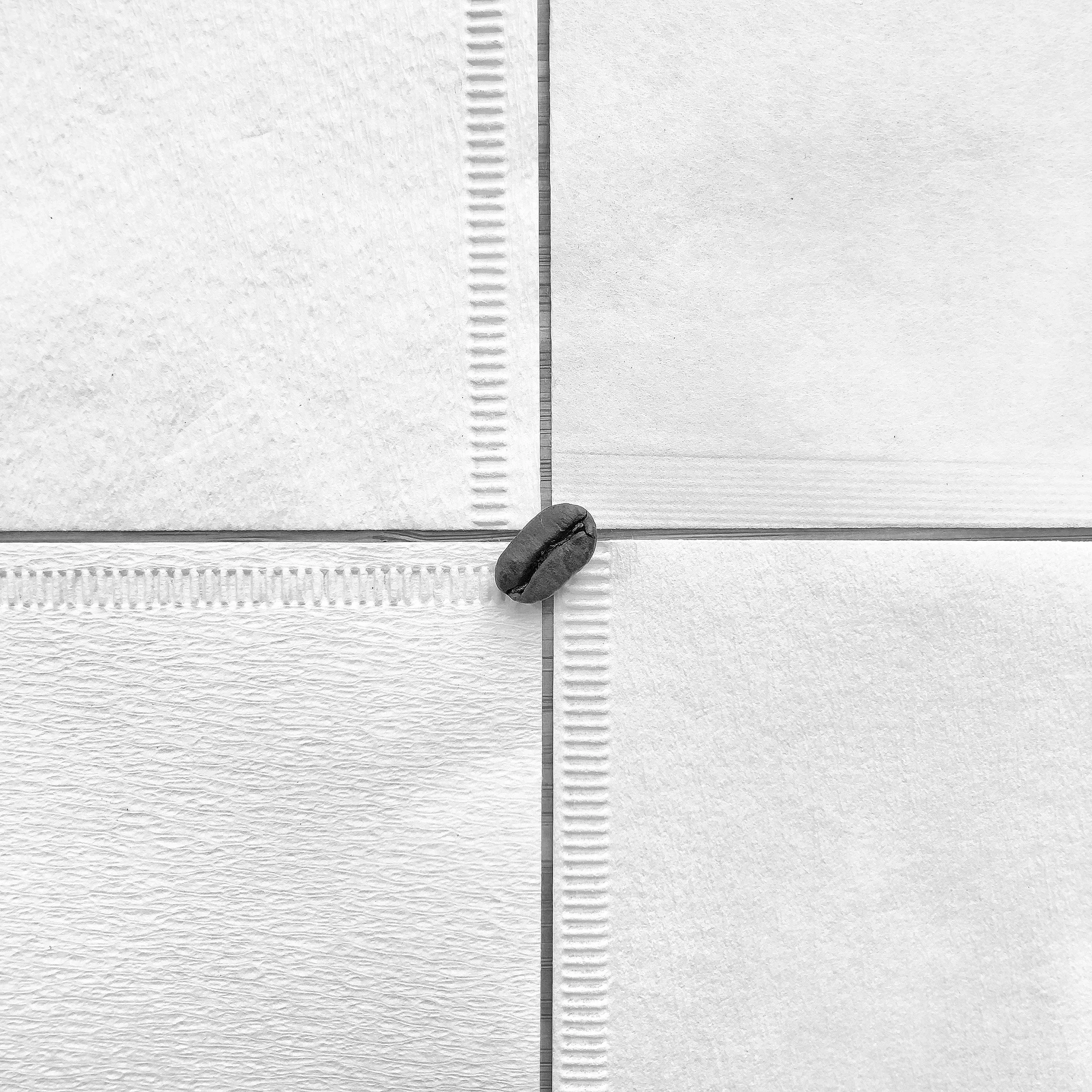
( from instagram post 2022.5.8 )
Selecting filter paper is as important as a good grinder to suit your desired flavor profiles. As one might conclude it is the drawdown speed that influences the outcome, it may just be a piece of the puzzle.
I have tested some well-known filters. With the same coffee and brewing recipe, there was a surprising finding that the fastest paper did not actually give the brightest and lightest cup, yet the slowest one (almost stalled) had the sweetest and cleanest fruit notes. In addition, variation in flavors has gone beyond my expectations. Some even made me think that they were not the same coffee at all.
Experiment is fun despite my lack of scientific knowledge to explain the reasoning behind. It may be due to the filter material, thickness, surface texture or porosity, but cannot be answered without input from chemistry experts.
Taste perception is a complex and multiscale process. Let's imagine two cups of lemon water containing same amount of flavor compounds, we suppose both will taste identical. Then when one of the cups is added with sugar, it will taste less sour but not because the acidic compounds were reduced. Instead, our sweet taste receptors were activated by sweetness thus balanced the overall perception. Similarly, there is no way to conclude whether a "low acidity filter" has actually filtered out more acidic compounds or has let more sweet or bitter compounds pass through.
Maybe science will tell us some day.
Filters in this photo (clockwise from the bottom-right):
↘️ Cafec Light Roast
↙️ Kono (green/pink packing)
↖️ Cafec T-90 (medium roast)
↗️ Sibarist Fast