cupping protocol
( from instagram post 2024.12.23 )
The better you taste coffees the better you roast. A roaster who can detect the slightest hint of vegetal, roasty notes will nail roast levels more accurately than others. Similarly, one who has tasted bakedness defect will learn to avoid by mastering bt ror.
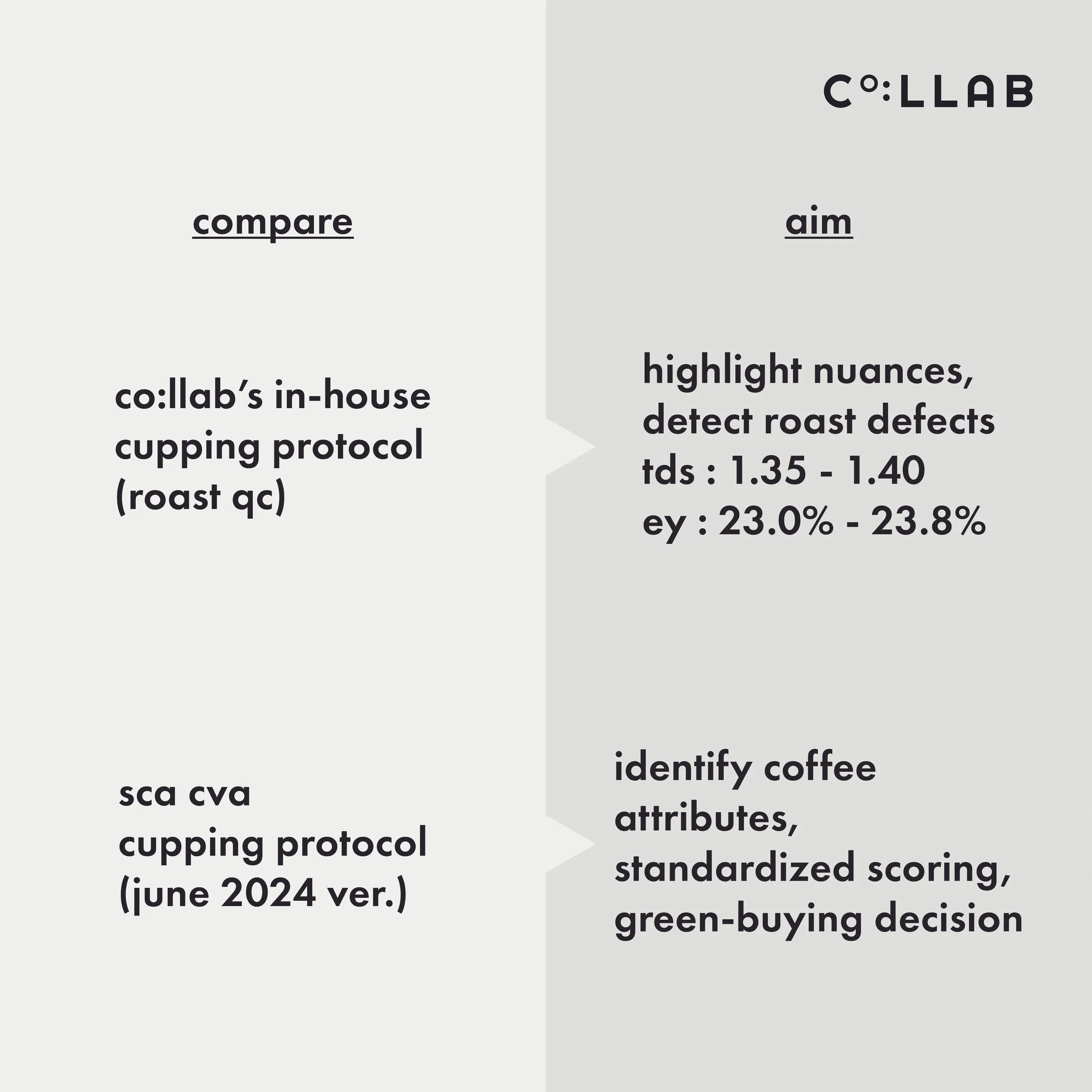
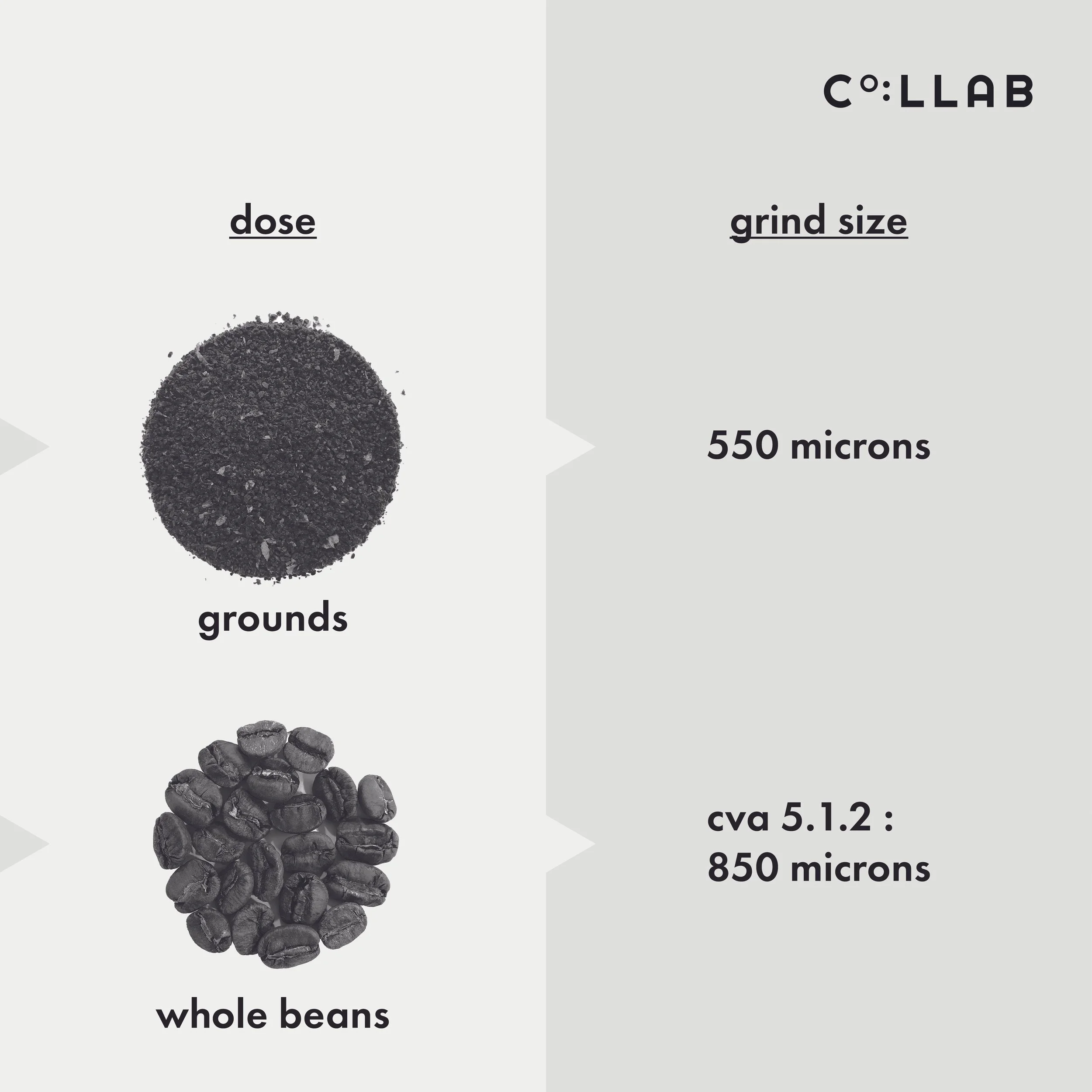
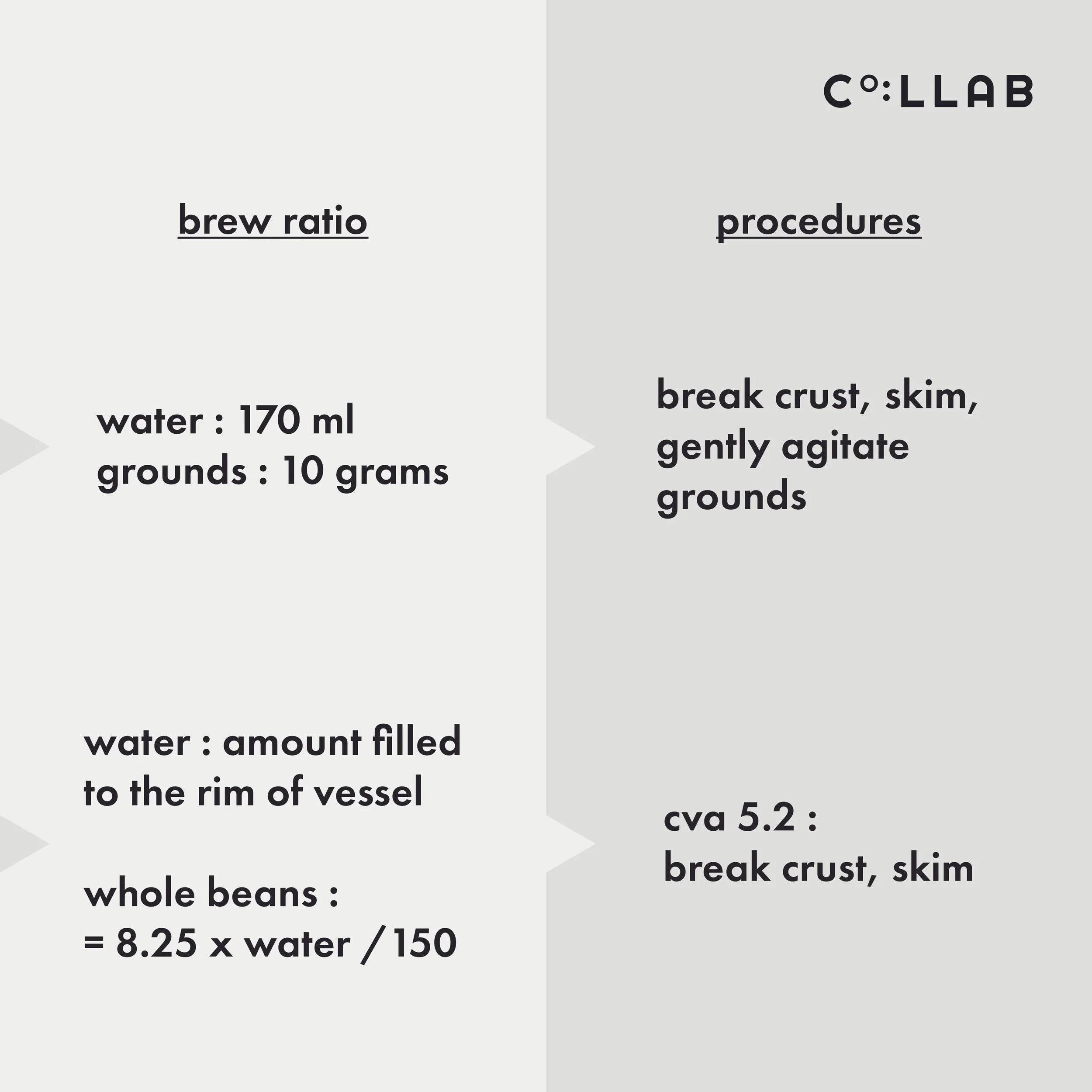
Be grateful if you are a supertaster - one who is gifted with "high resolution olfactory sensors". While for ordinary humans, we must train to sharpen our palates and distinguish subtleties. I recommend roasters to establish a cupping protocol specified for QC, one that aims at higher strength (tds) and EY (extraction yield) to amplify flavors. When nuances, minor defects become more highlighted and discernible on the cupping table, we are thus able to make improvements. A high-EY cup free of defects also means the coffee can offer wider range of brewing options / recipes for customers.
This is not to say that the SCA cupping protocol cannot reveal roast defects. Instead it serves as an industry-wide standard for coffee professionals to identify basic attributes of coffees (fruity, nutty, mouthfeel, etc), score and communicate in a consistent manner. Coffee producers use it to describe the lots they are selling, and roasters use it to verify green samples, make buying decisions and sometimes promote their products at public cupping events. On the contrary, in-house QC protocol acts as a flavor magnifier: it assists roasters to dial-in new coffees and adjust profiles based on flavor balance, clarity, defects, etc.
Have you got other tips on roast QC? Let's share and discuss!